Remarkable Student Projects
Showcasing student work across technology fields.
Cybersecurity
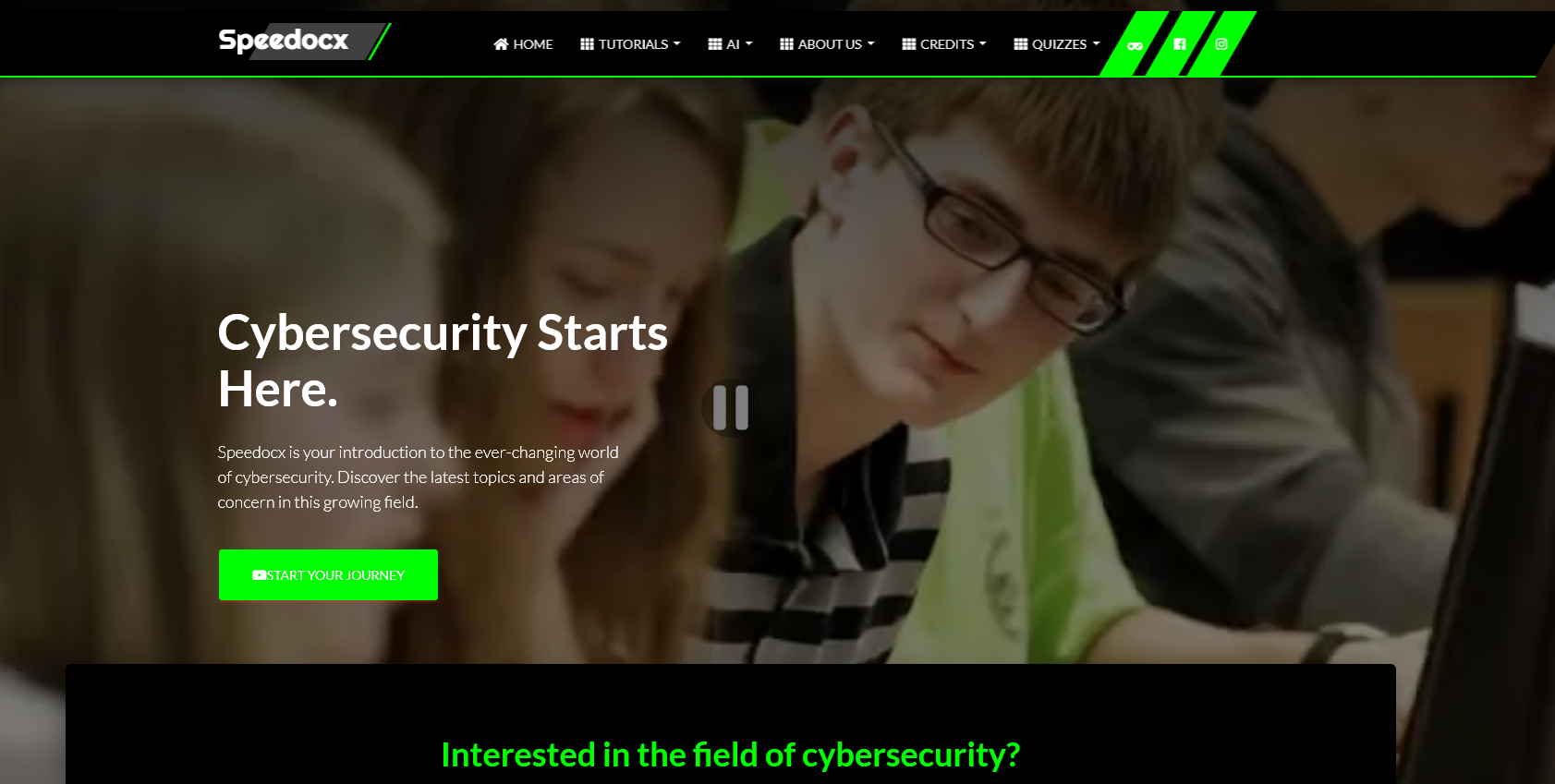
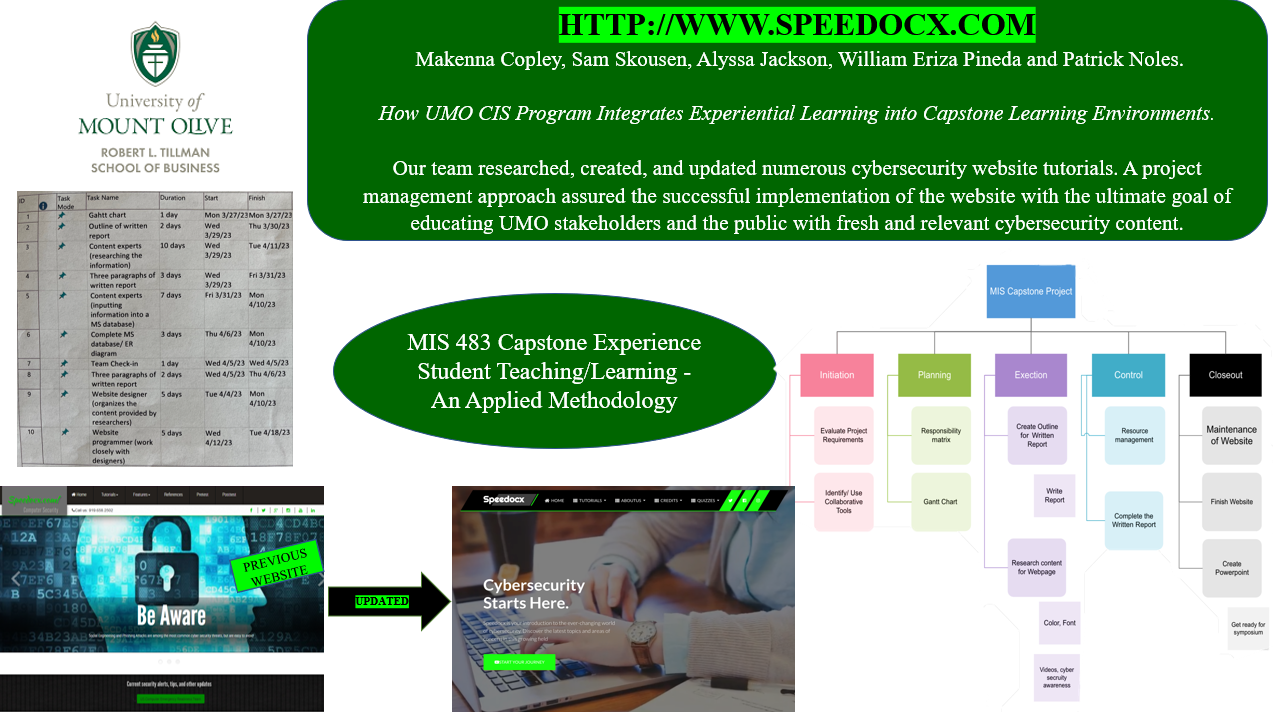
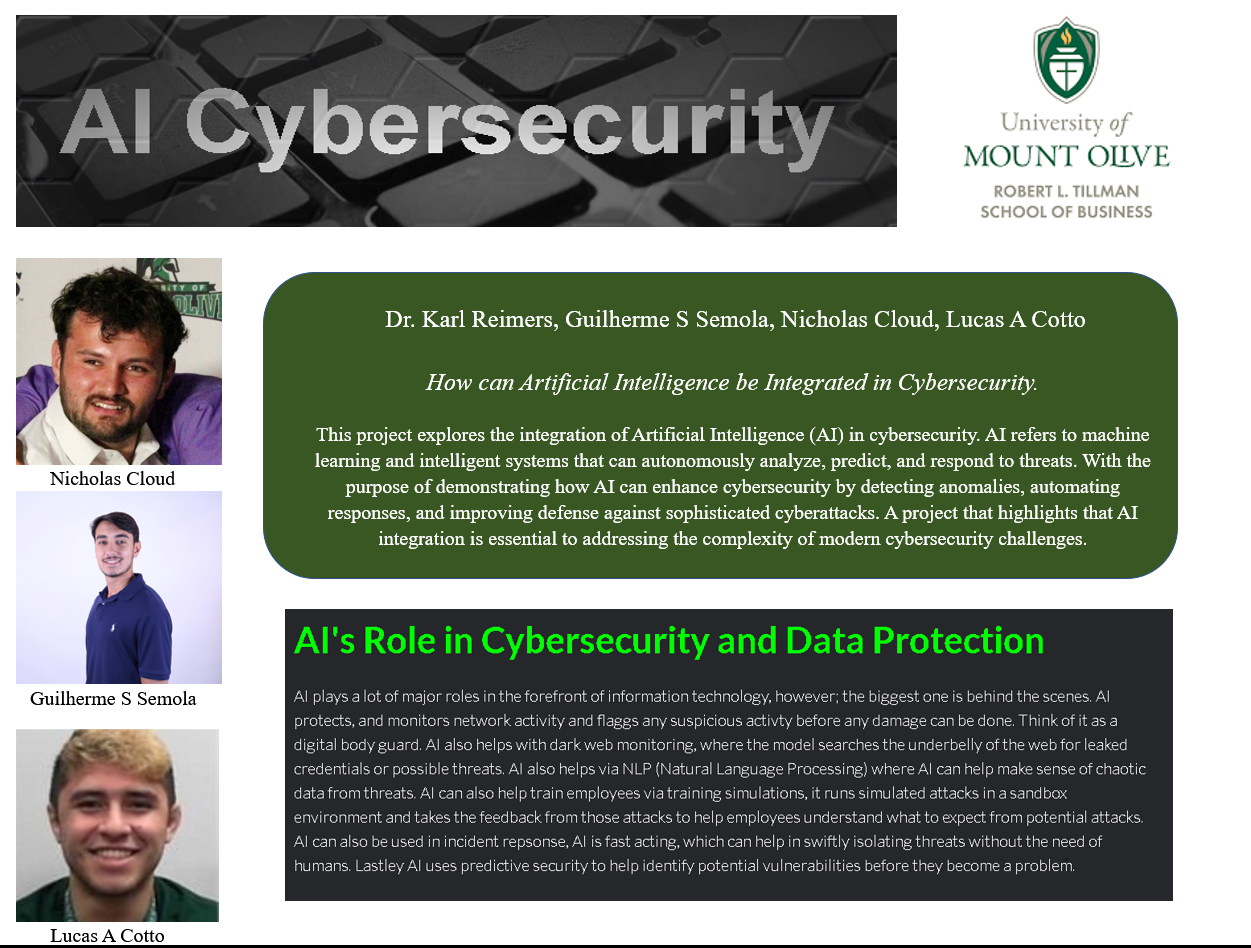
Speedocx.com is an educational cybersecurity awareness website developed and iteratively maintained by University of Mount Olive (UMO) students as part of project-based courses like CYB 490. It serves as a practical, hands-on capstone or class project where students research topics, create accessible tutorials (e.g., on phishing, passwords, cloud security, remote work), design the site, program features, test content, and add quizzes and videos. Moreover, the importance of the Speedocx project in a cybersecurity curriculum lies in demonstrating real-world iterative development: successive student cohorts update content, relaunch sections, expand topics (such as AI in security), manage roles like project manager/content expert/programmer, and deliver a live public resource—mirroring agile team workflows and continuous maintenance in the field. This approach builds technical skills (research, web development, security knowledge), soft skills (collaboration, documentation), and professional artifacts (a portfolio site students can showcase to employers), while providing genuine public value through vetted, beginner-friendly awareness materials. Overall, Speedocx exemplifies how student-driven projects can evolve over years into sustainable learning tools that bridge academia and practical cybersecurity needs. Lastly, since Speedocx.com's inception in 2014, this experiential learning and iterative project has afforded students (see 2024 and 2025 Symposium below) as well as Dr. David Anderson and Dr. Reimers many peer-reviewed publishing opportunities!
UMO Symposiums: a venue for student presentations! 2024 Research Symposium
2025 Research Symposium
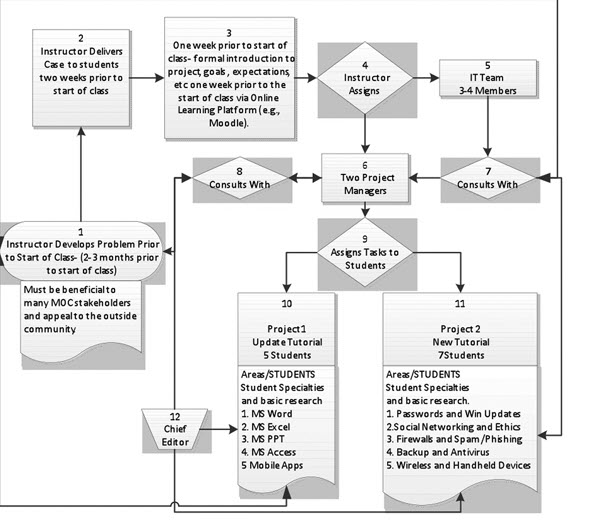
Flowchart &Teams Successfully Using Project Management Approach!
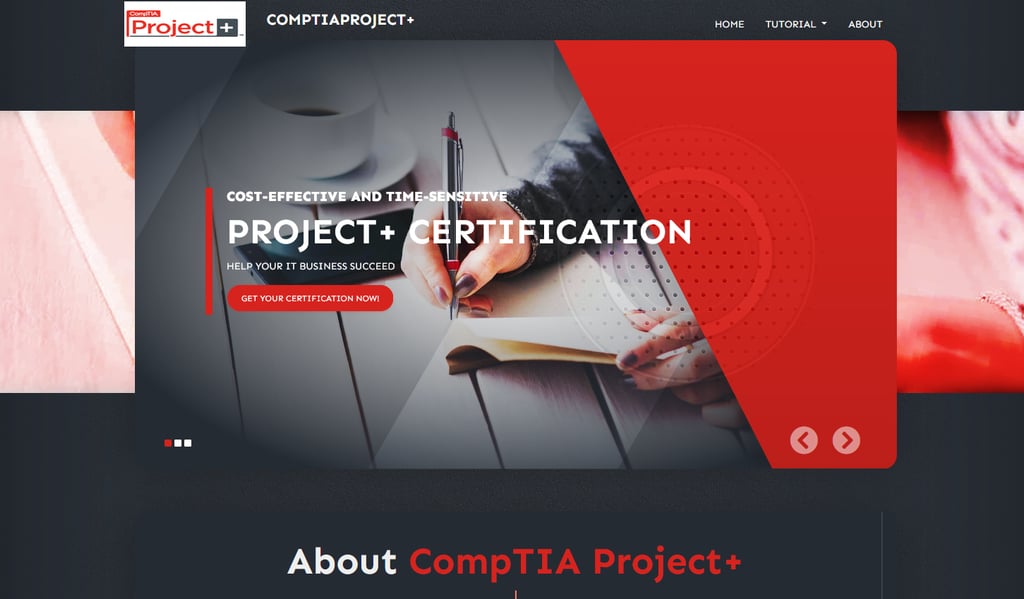
Project Management- Key to Experiential Learning
Project Management Approach for Developing Web-Based Learning Tutorials
Teachtechedu.com is another web tutorial that is used to help support a project management class taught in the cybersecurity as well as the business management program at UMO. It was developed by capstone course students who applied structured project management principles to design, develop, and deliver high-quality web tutorials. This approach ensures clear accountability, efficient resource use, adherence to timelines, and achievement of educational objectives through systematic planning, execution, and continuous improvement. The tutorial promotes and follows the standard project management phases adapted for an educational context:
Initiation – Define project scope, learning objectives, target audience, and success criteria.
Planning – Develop a detailed project plan, including timelines, role assignments, content outline, design specifications, and technical requirements.
Execution – Perform the core work: research, content selection, design, and programming.
Monitoring & Controlling – Track progress, manage risks, ensure quality, and address issues.
Closing – Conduct final testing, obtain approvals, deploy the tutorial, and perform a lessons-learned review.
To create the teaching and learning tutorials, project teams were formed, each consisting of four primary roles. While every role carries distinct responsibilities, all contribute to the same shared project goals. This is a truly collaborative effort—team members actively communicate, provide input across roles, and share ownership of outcomes—rather than a purely cooperative division of independent tasks. The roles and responsibilities are detailed below:
Project Manager (PM) Serves as the team leader and central point of accountability. Responsibilities include:
Defining and maintaining project scope, objectives, and deliverables.
Creating and managing the project schedule (e.g., using Gantt charts or shared timelines).
Assigning tasks, coordinating communication, and facilitating meetings.
Monitoring progress against milestones and budget (time/effort).
Motivating the team, resolving conflicts, and ensuring quality standards.
Reporting status and managing risks and changes.
Content Experts Act as the research and subject-matter authorities. Responsibilities include:
Conducting thorough research and gathering accurate, relevant, and up-to-date content.
Organizing information into learning modules aligned with tutorial objectives.
Ensuring pedagogical soundness (e.g., clear explanations, examples, assessments).
Collaborating closely with the Designer to refine content for effective presentation.
Designer Focuses on instructional and visual design. Responsibilities include:
Working with Content Experts to select and structure the most appropriate material.
Designing user-friendly layouts, navigation, multimedia elements, and interactive features.
Applying instructional design principles (e.g., multimedia learning theory, accessibility standards).
Creating wireframes, storyboards, and style guides.
Ensuring the tutorial is engaging, intuitive, and educationally effective.
Programmer Translates design and content into a functional web application. Responsibilities include:
Developing the website using appropriate technologies (HTML, CSS, JavaScript, frameworks, CMS, etc.).
Implementing interactive elements, responsive design, and backend functionality as needed.
Integrating media, assessments, and tracking features.
Optimizing performance, security, and compatibility.
Documenting code for future maintenance.
Collaboration and Communication
All team members participate in regular check-ins, design reviews, and feedback sessions. The Project Manager facilitates cross-role input (e.g., Programmer advising on technical feasibility during design). Tools such as shared documents, project management software (Trello, Asana, Microsoft Project, or similar), version control (Git), and collaboration platforms support transparency and efficiency.
Quality Assurance and Testing
Beta Testing Phase: Once a functional version is complete, the entire team (and, where possible, external users) conducts comprehensive testing. This includes:
Functional testing (links, interactions, compatibility).
Content accuracy and pedagogical effectiveness review.
Usability and accessibility testing.
Bug identification and resolution.
Iterative revisions occur based on feedback before final deployment.
Deliverables and Closure: Key deliverables include a fully functional, tested web tutorial, project documentation (plan, timelines, meeting notes), and a final report or presentation. The project concludes with a retrospective to capture lessons learned, celebrating successes and identifying improvements for future projects. Bottom-line- this formal project management framework equips students with real-world skills in leadership, teamwork, technical development, and instructional design while producing effective, professional-quality educational resources.
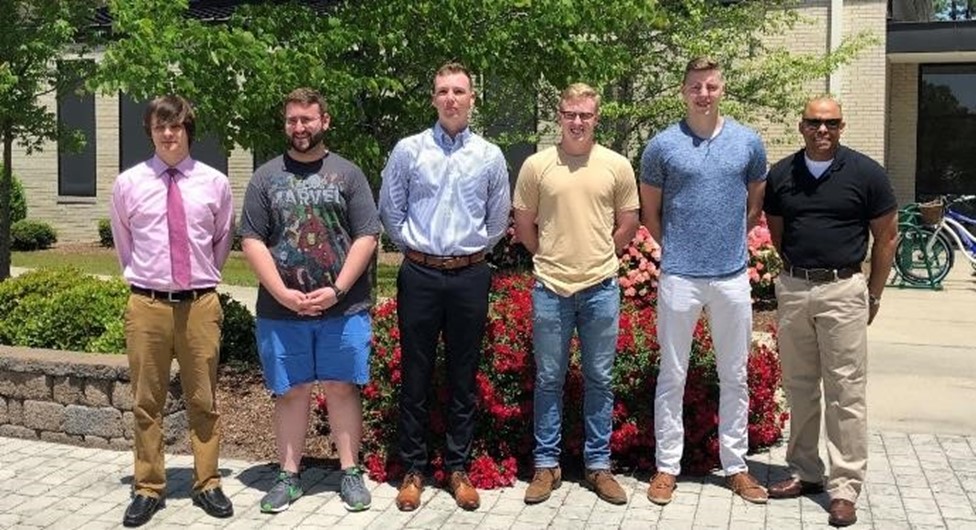



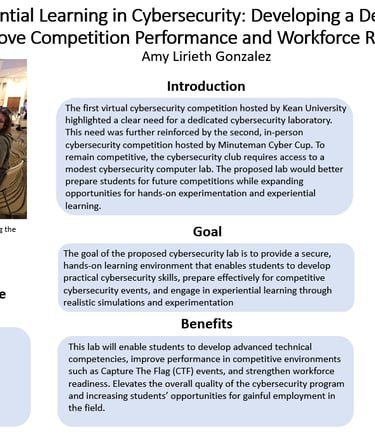
Cybersecurity and Gaming League - Get involved!!! Become a life-long, elite UMO Cyber Warrior!!!
Having a cybersecurity club alongside a university cybersecurity program complements academic coursework by bridging theory and practice, boosting student outcomes, program visibility, and career readiness in a high-demand field. Here are the main reasons why UMO sponsors the UMO Cybersecurity and Gaming League:
1. Hands-On Experience and Skill-Building - Classroom learning covers fundamentals like networks, cryptography, and risk management, but clubs emphasize practical application. Members participate in:
Capture The Flag (CTF) competitions
Ethical hacking workshops
Labs with real security tools
Simulated attacks and defenses
This builds technical proficiency that employers value highly. Clubs often host activities that go beyond the curriculum, helping students prepare for certifications (e.g., Security+, CISSP) and real-world scenarios.
2. Networking and Professional Development - Clubs create direct connections with:
Industry professionals (guest speakers)
Alumni
Employers
Other students and mentors
This leads to internships, job opportunities, and mentorship. Many clubs partner with organizations like ISACA, (ISC)², or WiCyS, providing access to events, scholarships, and resources.
3. Community, Engagement, and Retention - A club fosters a supportive peer community, which improves retention and engagement in the major. It attracts students from diverse backgrounds (not just CS/IT) — such as business, law, or criminology — and builds excitement around the program. This creates a vibrant ecosystem that makes the university more appealing to prospective students.
4. Resume Boost and Career Advantage - Participation demonstrates initiative, leadership (e.g., organizing events or competing), and practical skills. Employers in cybersecurity prioritize candidates with hands-on experience and proven teamwork. Clubs often lead to strong portfolio items, competition wins, and references.
5. Innovation, Research, and Outreach - Clubs enable:
Student-led projects
Hackathons
Campus-wide security awareness campaigns (e.g., during National Cybersecurity Awareness Month)
They can collaborate with faculty on research and help the broader university improve its own cybersecurity posture.
6. Program Differentiation and Growth- In a competitive higher education landscape, a strong club signals a thriving program. Successful examples include RITSEC (one of the largest collegiate clubs, with hundreds of participants and major competitions) and clubs at schools like IUP, Utah, and FSU that drive skill development and national/international event participation.
7. Addressing the Skills Gap - The cybersecurity workforce faces a massive shortage (hundreds of thousands of open positions in the US). Clubs accelerate the pipeline by producing more job-ready graduates through extracurricular depth that formal programs alone can't always provide.
In short, a cybersecurity club turns a solid academic program into a dynamic, career-launching experience. It costs relatively little to run (often student-led with faculty advising) but delivers high returns in skills, networks, retention, and reputation. Universities with strong programs almost always benefit from (or already have) active clubs for these reasons.
CYBERSECRUITY CLUB FLYERS FOR PAST MEETINGS!!! CHECK THEM OUT!!!!
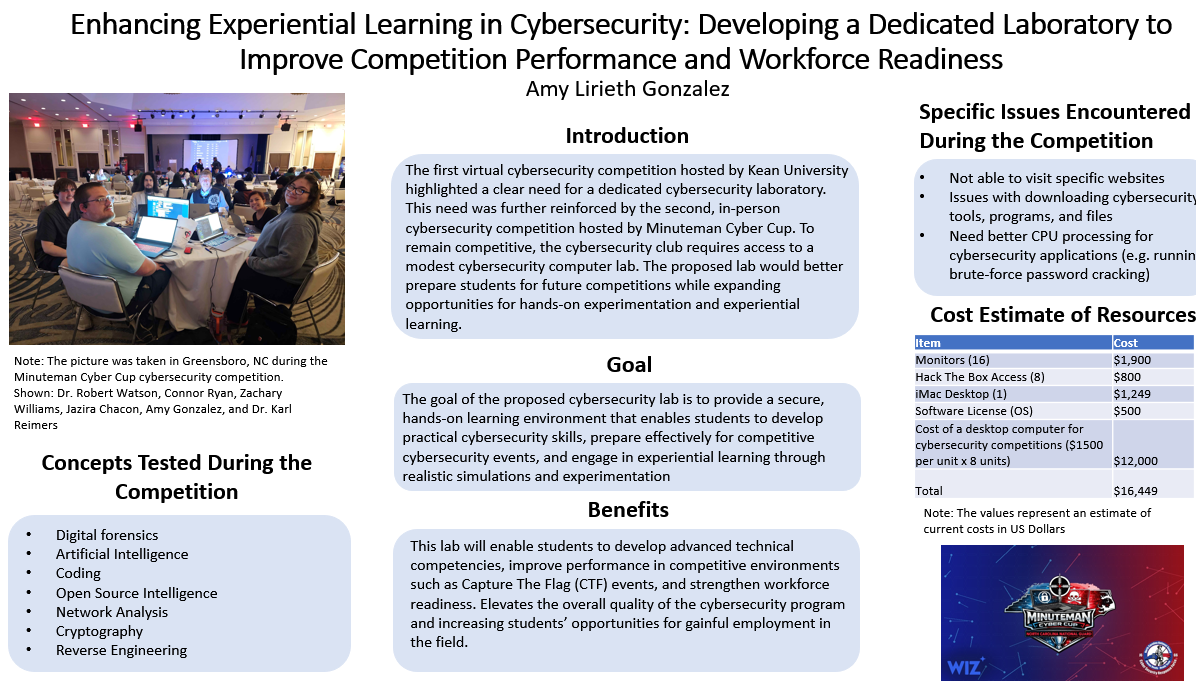
New Cyber Lab: Cybersecurity Club Makes the Case!









ROGBUILD.COM- Just another website developed by capstone students to help people build high-end desktops that the Cybersecurity and Gaming League used to build a gaming rig in September 2025!
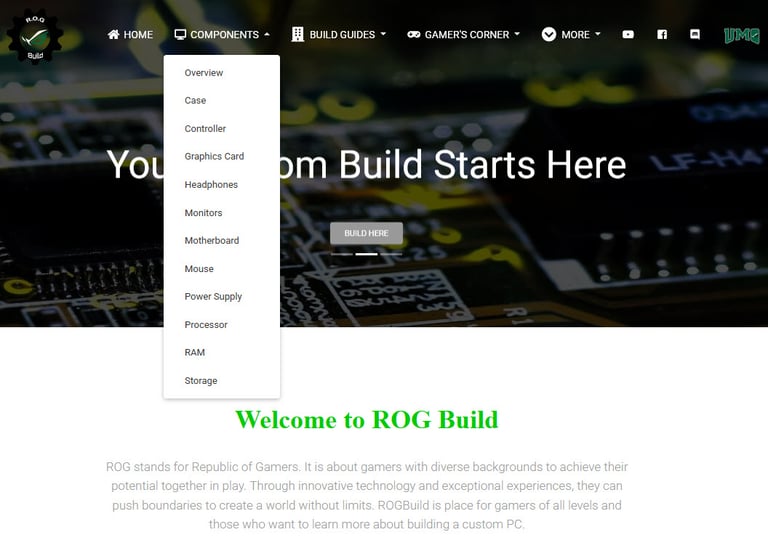
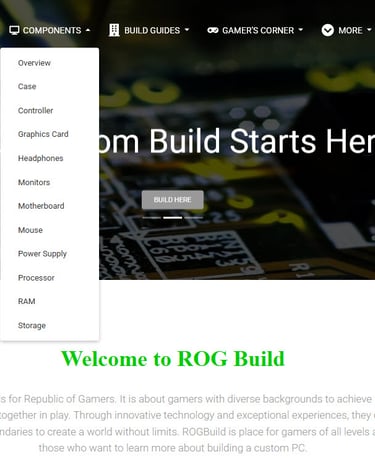
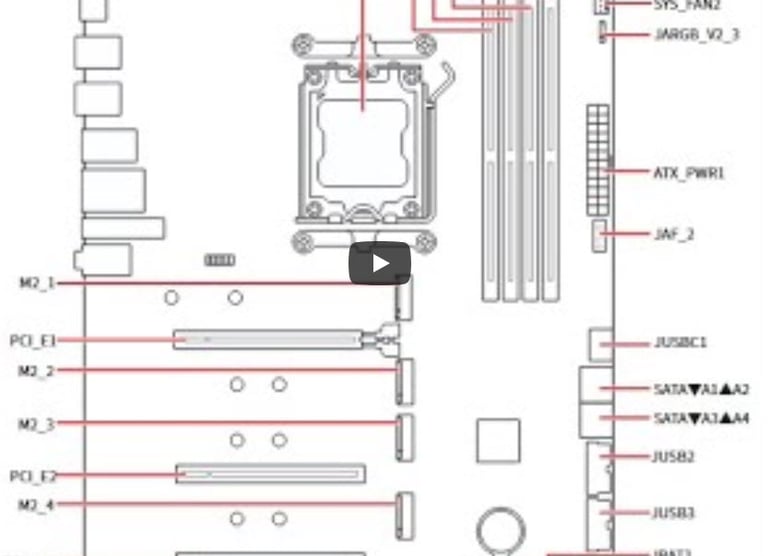
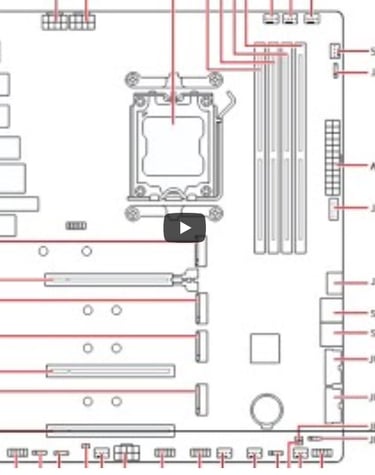
Gaming Rig built by Cybersecurity and Gaming League 2025
Want to build a high-end gaming or desktop computer? Click the image above!
Meet Us
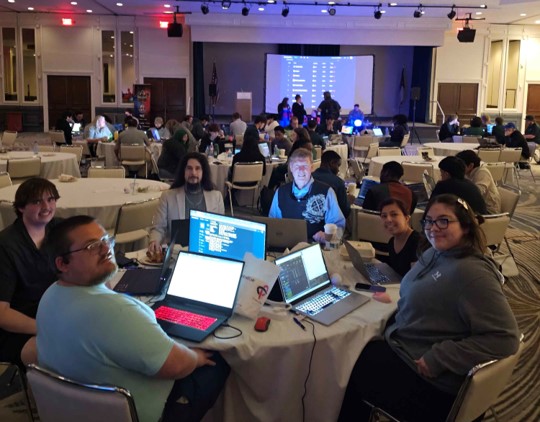
Get Involved! Have Fun! Join the Cybersecurity and Gaming League- just fill out the form below!
Get in Touch
Have questions or want to discuss a joining the club? Reach out anytime and I will forward your request to the Club President, Amy Gonalez- President 2026- 2027.
karlwreimers@gmail.com